
Creating a successful Amazon product listing is both an art and a science. Sellers often face challenges in making their product stand out in a crowded marketplace while ensuring their listing ranks high in search results. Fortunately, there’s a proven process that can streamline this and maximize your chances of success. In this article, we’ll explore a comprehensive method for crafting Amazon product listings that rank well and convert browsers into buyers, leveraging tools like Helium 10 and AI-powered solutions such as ChatGPT.
If you’re an Amazon seller looking to improve your listings, enhance visibility, and increase conversions, this guide will walk you through the step-by-step process.
The Importance of a Well-Optimized Amazon Listing
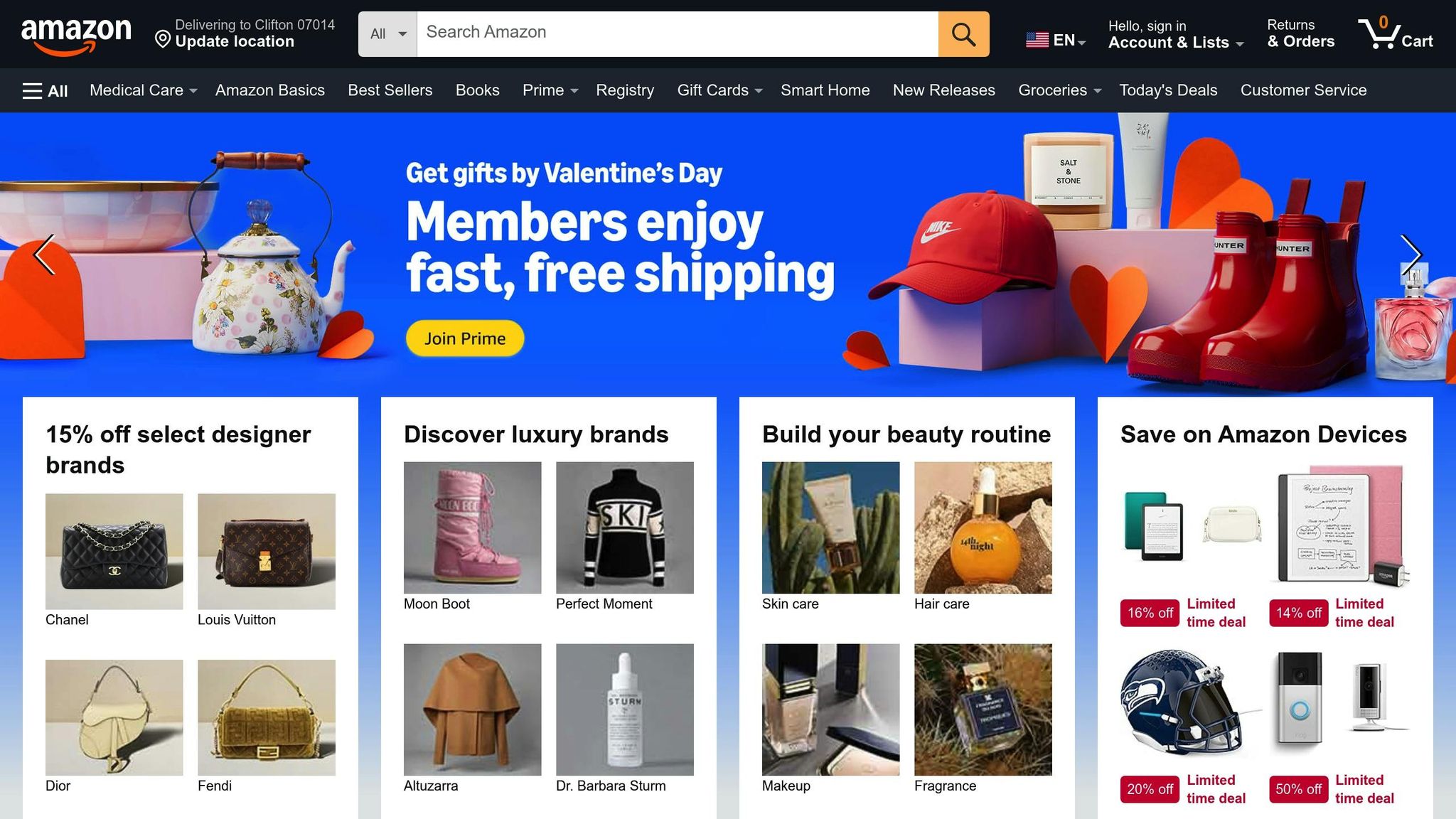
Amazon is a search engine at its core. To succeed, your product listing must cater to both the platform’s algorithm and your target audience. A compelling listing requires:
Keyword optimization for search engine visibility.
Engaging content that highlights product benefits and addresses customer pain points.
Visual appeal through well-designed images and A+ content that enhances the shopping experience.
Step-by-Step Guide to Crafting Amazon Listings That Rank and Sell
1. Conduct Thorough Keyword Research
Keywords are the foundation of any Amazon listing. To ensure your product appears in relevant search results, start by identifying high-impact keywords.
Use Helium 10 Tools:
The Magnet Tool helps find keywords with good search volume and relevance. Start with a broad keyword related to your product and filter results to remove irrelevant terms. Aim for keywords with a minimum of 500 monthly searches and adjust filters to focus on less competitive terms.
The Cerebro Tool allows you to analyze competitors’ keywords. Select your top five competitors, analyze their rankings, and identify common keywords they target.
Organize Keywords: Combine your findings into a master spreadsheet, removing irrelevant terms. Prioritize terms based on search volume, relevance, and competition.
Pro Tip: Focus on long-tail keywords (e.g., "Montessori wooden busy board for toddlers") to cater to specific buyer intent.
2. Analyze Competitor Listings
Competitor research is essential to understand what works in your niche. Here’s how to do it effectively:
Study Titles: Review the titles of your top competitors to identify common keywords and formats. Look for patterns, such as which features or benefits are emphasized.
Compare Bullet Points: Analyze the structure of competitors’ bullet points. Note how they address customer pain points and highlight their product's unique value.
Evaluate A+ Content: If competitors have A+ content (enhanced product descriptions and visuals), examine their layout, imagery, and messaging. Use this as inspiration for creating comparable or superior content.
Pro Tip: Pay attention to lifestyle images, infographics, and customer reviews to identify features buyers care about most.
3. Leverage AI to Draft Your Listing
Once you’ve gathered all the necessary data, it’s time to write your listing. Here’s how to do it step by step:
A. Write an Optimized Product Title
Your title should:
Include high-priority keywords.
Highlight the product’s main features and differentiators.
Be clear, concise, and engaging.
For example, consider this title structure:
"Montessori Wooden Busy Board with LED Light Switches – Sensory Activity Toy for Toddlers, Travel-Friendly Learning Toy for Ages 1-3"
Pro Tip: Balance readability with keyword inclusion. Avoid keyword stuffing, as it can deter buyers.
B. Create Benefit-Driven Bullet Points
Bullet points are a prime opportunity to showcase your product’s benefits. Focus on answering the following:
What problem does your product solve?
What makes it different from competitors?
Why should a customer choose your product?
Example bullet point structure:
Engage Little Minds: A Montessori-style busy board designed to enhance fine motor skills and cognitive development.
Safe and Durable: Made from high-quality, non-toxic wood for worry-free play.
Travel-Friendly Design: Lightweight and portable, perfect for car rides and plane trips.
Versatile Learning Tool: Includes sensory features, alphabet letters, and more to keep toddlers entertained and educated.
Perfect Gift for Kids: A thoughtful birthday or holiday gift for children aged 1–3.
C. Write a Compelling Product Description
Your product description is where you can expand on the details provided in your title and bullet points. Highlight the following:
Unique features and differentiators.
Benefits and use cases.
Emotional appeal - help customers envision how the product fits into their lives.
For example:
"This Montessori-inspired wooden busy board offers endless fun and learning opportunities for toddlers. With colorful LED light switches, sensory features, and alphabet learning tools, this activity board provides both entertainment and education. Built with safety in mind, it’s crafted from durable and non-toxic materials, making it the perfect companion for travel and quiet playtime."
4. Develop Your A+ Content
If you’re enrolled in Amazon's Brand Registry, A+ Content is a powerful way to enhance your listing with rich visuals and detailed descriptions. Effective A+ Content includes:
Hero Banners: Showcase your product with high-quality images and bold headlines.
Feature Highlights: Use infographics to explain the product’s key benefits.
Lifestyle Imagery: Show the product in use to help customers visualize its value.
Comparison Charts: Highlight what sets your product apart from competitors.
5. Optimize Visuals
Images play a critical role in your listing’s success. Use the following tips to create compelling visuals:
Ensure your product is photographed against a clean, white background.
Design infographics that highlight key features and benefits.
Include lifestyle images to demonstrate the product in real-life contexts.
Add additional shots to showcase size, portability, and unique features.
Pro Tip: If possible, hire a professional photographer or graphic designer for polished results.
Key Takeaways
Keyword Research Is Essential: Use tools like Helium 10 to identify high-impact keywords and create a masterlist.
Competitor Analysis Helps You Stay Competitive: Study your competitors' titles, bullet points, and A+ content to understand what works.
AI Can Streamline Content Creation: Use tools like ChatGPT to draft titles, bullet points, descriptions, and even A+ content.
Focus on Benefits, Not Just Features: Highlight how your product solves problems and improves the customer’s life.
Invest in Visuals: High-quality images and A+ content can significantly boost your listing's appeal and conversion rate.
Always Refine for Clarity: Review and tweak your listing to ensure it's engaging, informative, and keyword-optimized.
Conclusion
By following these steps, you can create Amazon product listings that not only rank well but also convert browsers into loyal customers. Remember, success on Amazon is about standing out in a crowded marketplace while ensuring your product meets customer needs. With the right tools, techniques, and a bit of creativity, you can craft listings that drive sales and grow your business.
Whether you're launching your first product or optimizing an existing one, this guide provides a solid foundation for creating a professional and highly effective Amazon listing. Start implementing these strategies today and watch your sales soar!
Source: "How to Write Amazon Product Listings That Rank & Sell (Beginner Step by Step Tutorial)" - Passive Income by Mom, YouTube, Sep 9, 2025 - https://www.youtube.com/watch?v=UMzjjlMauVw