

Back to Page
Sell on Amazon
Where to buy wholesale products to sell on Amazon?
Finding good products to sell on Amazon is tough. Private labels need a big investment, and retail arbitrage takes too much time. Wholesale sourcing is a great middle ground; you buy branded products in bulk at lower prices and resell them for profit.
But it’s not that simple. Many sellers struggle to find trusted suppliers, avoid high prices, and deal with brand restrictions. Buying from the wrong source can lead to low profits or even account issues. So, where can you buy wholesale products for Amazon? In this guide, we’ll cover the pros and cons of wholesale selling, the best places to source products, and how to pick the right suppliers, so you can grow your business with confidence.
What is wholesale sourcing for Amazon?
Wholesale sourcing means buying products in bulk from manufacturers or distributors at a lower price and selling them on Amazon for a profit. This method ensures a steady supply of inventory, unlike retail arbitrage, where you can buy discounted products from stores, which may not always be in stock.
How it works: Imagine you buy 500 kitchen gadgets for $5 each from a manufacturer. If you list them on Amazon at $15 each, you have the potential to earn a good profit after deducting Amazon’s fees and shipping costs. Because you buy in bulk, you secure a lower cost per unit, giving you more control over pricing and profit margins.
Pros and cons of wholesale selling
Pros:
Steady inventory – Unlike retail arbitrage, wholesale gives you a reliable stock supply.
Easier to scale – Buying in bulk makes it easier to grow your business.
Less competition than retail arbitrage – Wholesale requires investment and supplier deals, so fewer people do it.
Brand approval – Many wholesale sellers get permission to sell branded products, reducing the risk of Amazon restrictions. Here, you can also choose an account management service that does a category approval process for restricted categories of products.
Cons:
More money needed upfront – Buying in bulk costs more than retail arbitrage or dropshipping.
Smaller profit margins than private labels – Since you sell known brands, pricing is less flexible.
Building supplier relationships is important – You need to maintain good connections to keep getting stock.
How does wholesale selling differ from other selling types
Selling Model | Pros | Cons |
Retail Arbitrage | Low cost, quick sales | Limited stock, lots of competition |
Wholesale | Steady inventory, scalable | Costs more upfront, supplier-dependent |
Private Label | Own your brand, high profits | Requires branding, marketing, and product design |
Dropshipping | No need to hold stock | Low profits, depends on suppliers |
Where to buy wholesale products on Amazon?
Finding the right supplier is key to making money wholesale. You need a supplier who offers good prices, reliable stock, and quality products. Here are the best places to look:
1. Manufacturers
Buying directly from manufacturers cuts out middlemen, giving you better prices and guaranteed product quality. This is a great way to secure long-term deals.
Example: If you want to sell branded electronics, you can contact the manufacturer and apply to become an authorized reseller.
How to find them:
Visit brand websites, check their “authorized resellers” section, or attend trade shows like ASD Market Week, where manufacturers showcase their products.
2. Distributors & wholesalers
Distributors buy in large quantities from manufacturers and then resell smaller amounts to businesses like yours. They offer a wide variety of products and are often easier to work with than manufacturers.
Example: A distributor may stock different home appliances, allowing you to order in bulk without committing to massive quantities.
How to find them:
Use wholesale directories like SaleHoo, Worldwide Brands, and ThomasNet to discover trusted distributors.
3. B2B marketplaces
Business-to-business (B2B) marketplaces connect suppliers with buyers, making it easy to compare options and prices.
Example: Alibaba allows you to buy products in bulk from suppliers worldwide at competitive prices.
How to find them:
Popular B2B platforms include Alibaba, Faire, DHgate, and Global Sources. Always check supplier reviews before placing an order.
4. Liquidation & overstock suppliers
These companies sell extra inventory or customer returns at reduced prices. It’s a cost-effective way to get branded products at a discount.
Example: A major retailer like Walmart may sell off extra stock at lower prices through liquidation platforms.
How to find them:
Check sites like B-Stock, Direct Liquidation, and BULQ to find discounted inventory.
5. Trade shows & expos
Attending trade shows allows you to meet suppliers in person, see product samples, and negotiate better deals.
Example: If you’re looking to sell toys, visiting the toy fair in New York lets you meet different manufacturers and distributors offering wholesale deals.
How to find them:
Look up industry-specific trade shows on TSNN.com or visit trade show websites for schedules and locations.
6. Wholesale supplier directories
These directories list verified suppliers and wholesalers across different industries, saving you time in your search.
Example: If you need a reliable clothing wholesaler, you can browse SaleHoo’s directory to find suppliers with good ratings.
How to find them:
Some of the best directories include SaleHoo, worldwide brands, and Inventory Source. Finding the right supplier takes research, but once you secure a reliable source, you’ll have a steady stream of products to sell and grow your Amazon business.
How to choose the right wholesale supplier
Not all suppliers are reliable, and choosing the wrong one can lead to low profits, slow shipping, or even problems with Amazon. Here’s how to find a good supplier:
1. Check if the product has demand
Before buying in bulk, make sure people actually want the product.
Use Amazon’s Best Sellers Rank (BSR) to see if the product is selling well.
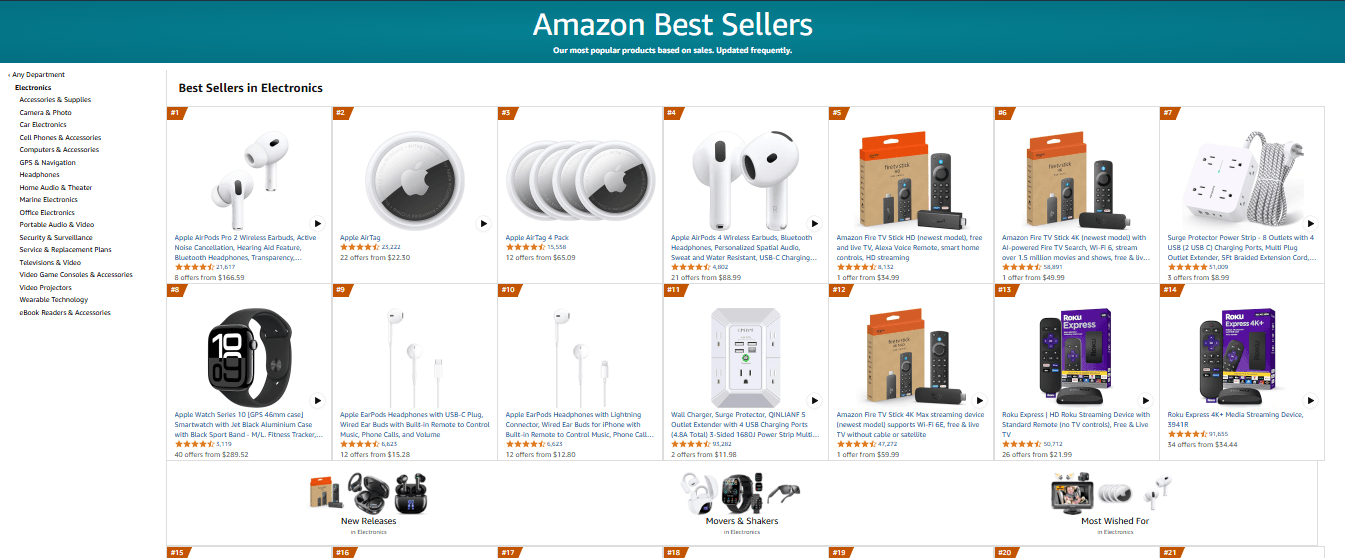
Avoid products that have too many sellers, as too much competition can lower your profits.
2. Compare prices and profit margins
A good deal isn’t just about low prices; it’s about how much profit you make after all costs.
Use the FBA revenue calculator to check the Amazon fees, shipping costs, and other expenses.
Aim for at least a 30% profit margin after all costs. You can optimize your pricing with the Amazon Seller Central service which ensures that you can get the best price point to provide value for money to your customers.
3. Check if the supplier is trustworthy
Not all suppliers are reliable, so do some research before placing a big order.
Look for good reviews and a strong business history.
Always ask for product samples to check quality before buying in bulk.
Make sure the supplier provides official invoices, as Amazon may ask for them to verify your products.
4. Negotiate better prices
Most suppliers are open to negotiation, especially for large orders.
Ask for a discount when buying in bulk.
See if they offer better deals for long-term customers. This can help you save money over time.
5. Confirm shipping and delivery times
Late or unreliable shipping can lead to bad reviews and lost sales.
Choose suppliers who offer fast and reliable shipping.
If you’re ordering from overseas, consider using freight forwarders to handle large shipments.
Wrap up
Wholesale sourcing can be a game-changer for you only if you do it right. Finding trusted suppliers, choosing profitable products, and managing competition are key to success. The right strategy can help you scale faster without the risks of private labeling or the hassle of retail arbitrage.
If you’re unsure where to start, our Amazon consultants can guide you. We help sellers find reliable suppliers, optimize listings, and build winning strategies to maximize profits. Whether you need help with sourcing, listing optimization, or scaling your business, we’re here to support you.



eStore Factory is a full-service Amazon agency dedicated to building end-to-end strategies for brands of all sizes.

SERVICES FOR AMAZON
Product Setup ON AMAZON
GRAPHICS & BRANDING SERVICES
© Copyright 2014 - 2024. All Rights Reserved.